Ahu O Laka: History of the Kaneohe Bay Sandbar
The cultural significance, geological history, and famous landmarks of Kāneʻohe Bay
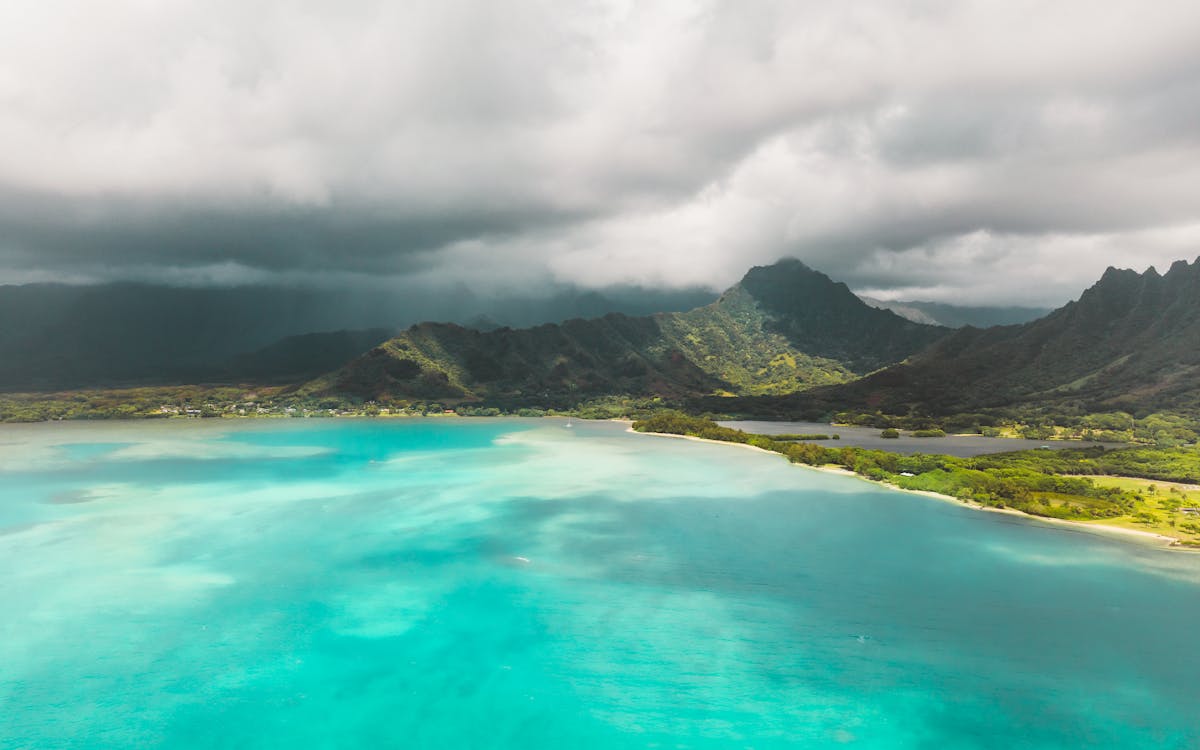
Photo by Jess Loiterton / Pexels
The Hawaiian Name: Ahu O Laka
Ahu O Laka translates to “The Altar of Laka” in the Hawaiian language. Laka is the Hawaiian goddess of hula, the forest, and wild plants. In Hawaiian mythology, she is revered as the patroness of the sacred art of hula.
The sandbar was considered a sacred place where offerings were made to Laka. Hula practitioners would come to this spot to honor the goddess and seek her blessings. The connection between this natural formation and the spiritual practice of hula gives the sandbar a significance that goes far beyond its physical beauty.
When visiting the sandbar, you are standing on a place that has been meaningful to the Hawaiian people for centuries. Treating it with respect by following tour guidelines, not littering, and learning about its cultural context is an important part of the experience.
Geology: How the Sandbar Formed
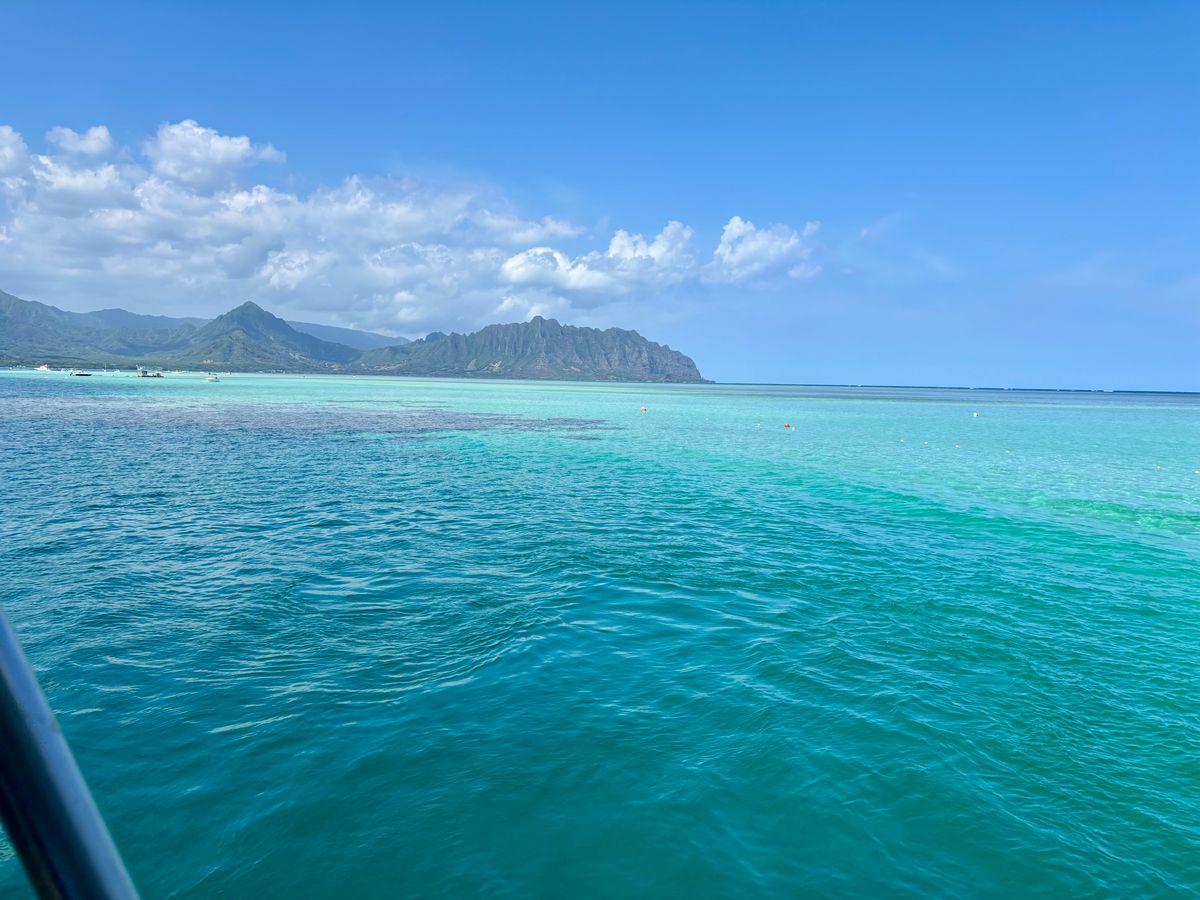
- Kāneʻohe Bay is a semi-enclosed bay on Oahu’s windward coast, protected by one of Hawaii’s few barrier reefs
- The sandbar formed from the gradual accumulation of sand, coral fragments, and sediment carried by ocean currents within the protected bay
- It stretches approximately 3 miles long and 1 mile wide, making it one of the largest sandbar formations in Hawaii
- The sandbar sits on a shallow reef platform, which is why it emerges at low tide and submerges at high tide
- The surrounding barrier reef protects the bay from large ocean swells, creating the calm, turquoise lagoon conditions that make the area so special
Kāneʻohe Bay: A Brief History
- Ancient Hawaiian settlement: The bay and surrounding valleys (Heeia, Kahaluu, Waiahole) were among the most fertile and populated areas of ancient Oahu. The bay provided abundant fish, and the valleys were rich in taro cultivation.
- Fishponds: Kāneʻohe Bay was home to numerous ancient Hawaiian fishponds (loko iʻa). Heeia Fishpond, near the boat harbor where tours depart, is one of the most well-known and is being actively restored.
- World War II: Marine Corps Base Hawaii (MCBH) at Kāneʻohe Bay was one of the first targets during the attack on Pearl Harbor on December 7, 1941. The base remains active today.
- Modern conservation: The bay has been the focus of significant environmental research and conservation efforts, particularly around coral reef health and invasive species management.
Famous Landmarks Visible from the Sandbar
🎬 Pirates of the Caribbean
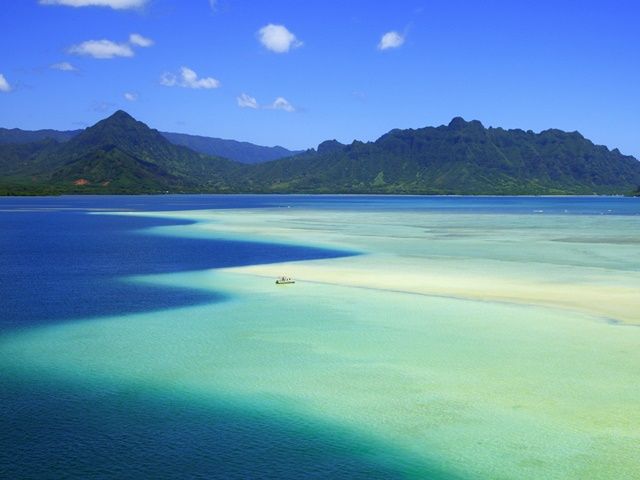
The sandbar gained international fame as a filming location for Pirates of the Caribbean: On Stranger Tides (2011). The turquoise shallow waters surrounded by the Koʻolau Mountains created a convincing tropical pirate backdrop.
🌴 Coconut Island (Moku O Loe)
Home to the Hawaii Institute of Marine Biology (University of Hawaii). Also famously featured in the opening credits of Gilligan’s Island. Visible from the sandbar but not open to the public.
⛰️ Mokoliʻi (Chinaman’s Hat)
A distinctive conical island just offshore from Kualoa. According to Hawaiian legend, Mokoliʻi is the tail of a giant lizard (moʻo) slain by the goddess Hiʻiaka. A beloved feature of the Kāneʻohe Bay landscape.
Respecting the Culture
- Learn and use the Hawaiian name Ahu O Laka when referring to the sandbar
- Respect the natural environment. Do not take sand, shells, or coral
- Follow all tour guidelines and marine life protection rules
- Support local Hawaiian-owned tour operators
- Leave no trace. Take all trash with you
Experience Ahu O Laka
Visit this culturally significant and naturally stunning destination on a guided tour:
Back to The Ultimate Guide → | Snorkeling Guide → | FAQ →
All photos courtesy of HawaiiActivities.com / VELTRA Inc. unless otherwise noted. Used with permission.
 Kaneohe Bay Sandbar Tours